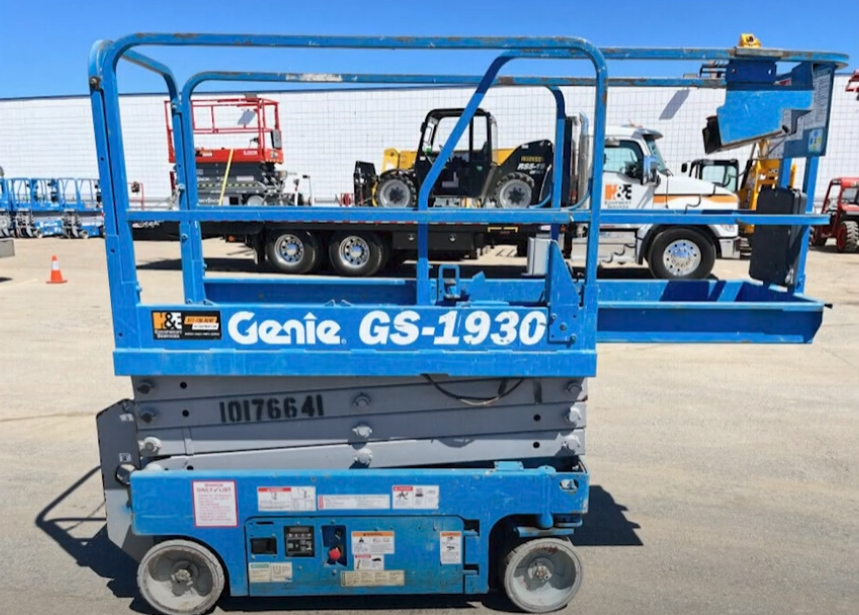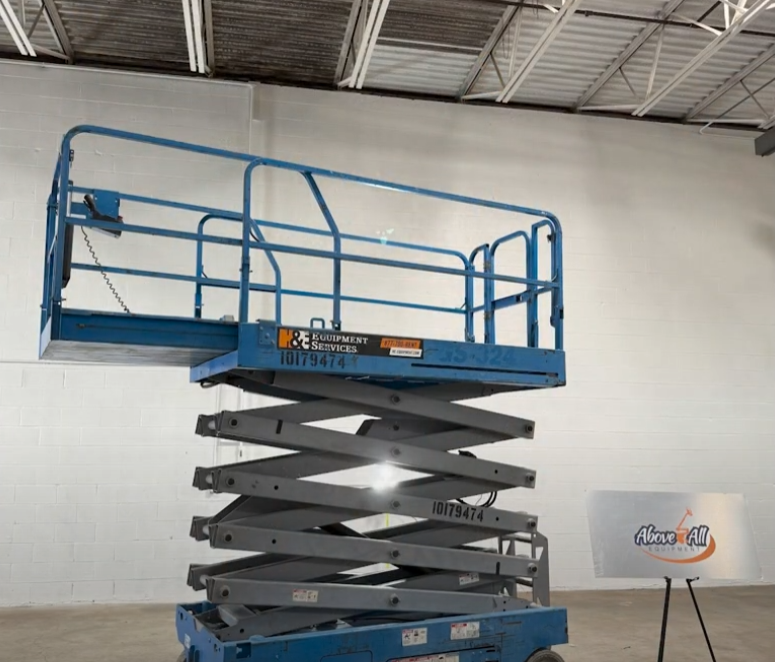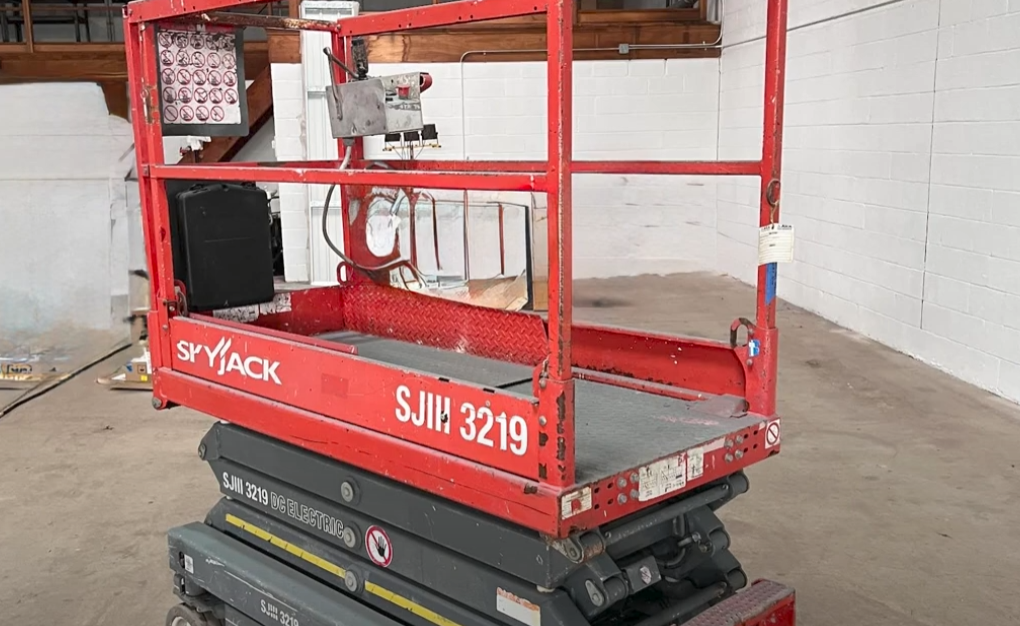


You spot them in a mall one day and along a freeway the next, the same scissor lift design tackling totally different jobs. If you have ever wondered which scissor lift you actually need for your project, you are not alone. At Above All Equipment, Keith and our team help customers pick the right lift every day, and the choice almost always comes down to two categories: indoor electric and outdoor rough terrain.
In this quick guide, we break down how each type works, where each shines, and how to decide what fits your jobsite. If you have heard people say “Cesar lifts,” they are talking about scissor lifts. We will keep it simple and practical.
The Two Types of Construction Scissor Lifts
There are basically two types of scissor lifts used on construction sites:
- Indoor electric scissor lifts
- Outdoor rough terrain scissor lifts
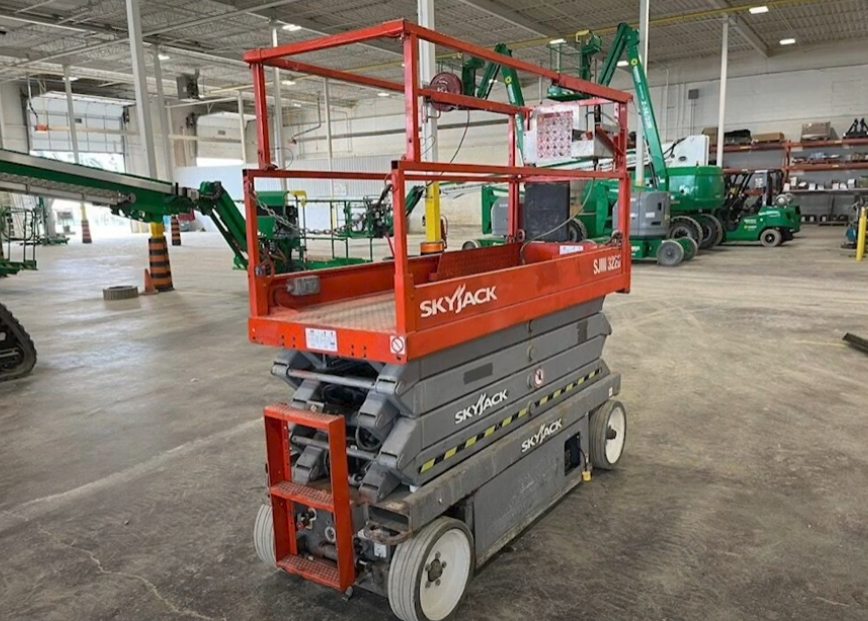
Both use the same scissor-style deck that raises and lowers vertically. The difference is what powers them and where they are built to work.
Indoor Electric Scissor Lifts
Where They Excel
You see these everywhere inside: malls, large retail stores like Walmart, warehouses, sports venues, and indoor construction projects. They are compact, quiet, and clean with zero on-site emissions.
Power and Maintenance
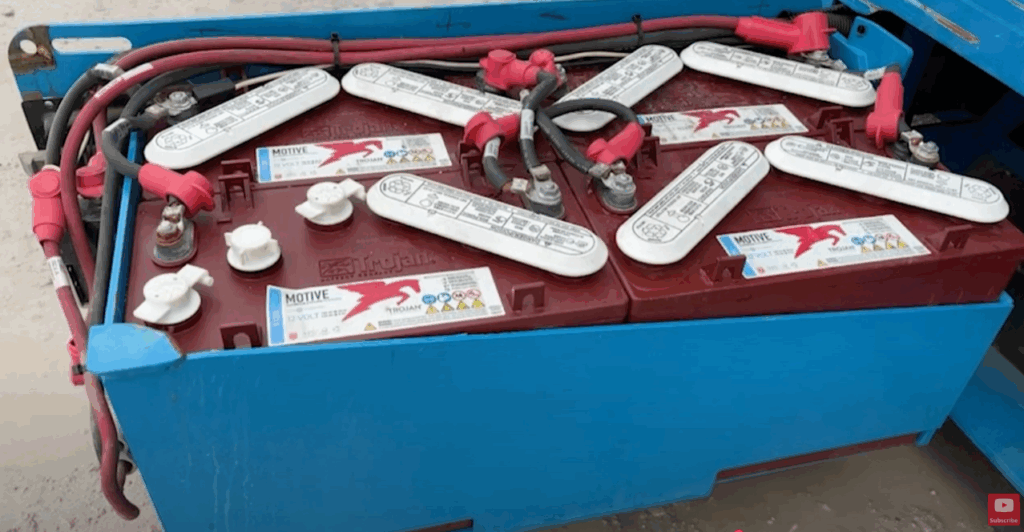
Most indoor units run on a 24 volt system. Traditionally they use four golf cart batteries, which are straightforward to maintain and relatively inexpensive to replace. Some newer models consolidate to a single high-capacity battery. Either way, upkeep is simple and cost-effective, as long as you follow regular charging and water-level checks.
Why We Recommend Them
- Ideal on smooth, finished floors
- Low noise and no fumes
- Lower operating costs compared to engine-driven units
Outdoor Rough Terrain Scissor Lifts
Built for the Jobsite
You find these on construction sites, along highways, and anywhere footing is uneven. Think knobby, beefy tires and a chassis designed for ruts and mud. These machines are not meant for indoor floors.
Power and Traction
Outdoor units are engine-powered. You will typically choose diesel or gas and propane. They provide the torque and durability needed for rough ground and heavier loads. The pneumatic or foam-filled tires and stabilizing systems keep you working when conditions are tough.
Why We Recommend Them
- Handles uneven terrain and jobsite debris
- Higher capacities and larger platforms
- All-day performance without charging breaks
How to Choose the Right Scissor Lift
Ask yourself a few quick questions:
- Where will you use it most? Indoors go electric. Outdoors go rough terrain.
- What is the ground like? Smooth slab or tile favors indoor units. Dirt, gravel, or unfinished sites require rough terrain.
- Do you have access to charging? If charging is limited and you need continuous runtime, engine power might be better.
- Any emissions restrictions? Indoors or enclosed spaces call for electric with proper ventilation practices.
- What platform size and capacity do you need? Outdoor models often offer larger decks and higher weight ratings.
- How much maintenance are you comfortable with? Electric is simpler day to day. Engine units require standard engine service.
Still unsure? Tell us your jobsite conditions, lift height, platform size, and runtime needs. We will match you with the right model.
Brands We Trust
When customers ask what to buy, we point to three proven names:
- JLG
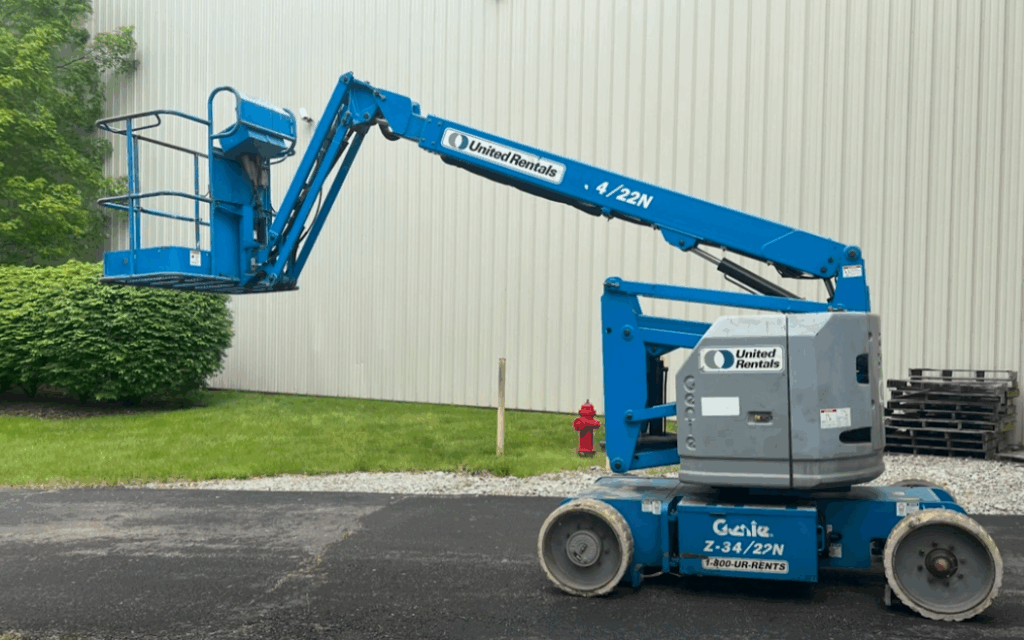
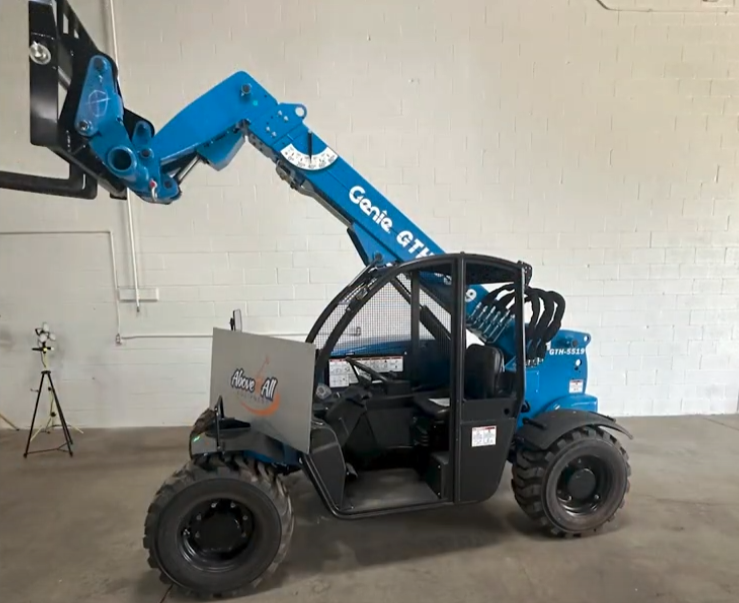
- Genie
- Skyjack
We stock and support these brands because parts are available, performance is reliable, and total cost of ownership is predictable.
Pro Tips From Our Team
- For indoor scissor lifts, plan a battery care routine. Proper charging and watering extend battery life and prevent downtime.
- Do not run engine-driven rough terrain units indoors. Fumes and noise are real issues.
- If you occasionally go outside on paved or smooth surfaces, many indoor electrics can handle it. Avoid uneven ground without a rough terrain design.
- Think about transport and access. Measure doorways, elevators, and slab ratings before you choose.
Ready to Get a Quote or Compare Models?
Whether you need an indoor electric scissor lift on a 24 volt system or a rough terrain unit powered by diesel, gas, or propane, we have you covered. At Above All Equipment, our team will walk you through options from JLG, Genie, and Skyjack, explain maintenance and costs, and provide a fast quote.
Contact us today to talk through your project, schedule a consultation, or get pricing. We will help you pick the right scissor lift the first time.