
Default sorting
- Default sorting
- Latest First
- Oldest First
- A-Z
- Z-A
Featured Equipment
Explore our current selection of reconditioned and ready-to-work telehandlers.
Clear Filters
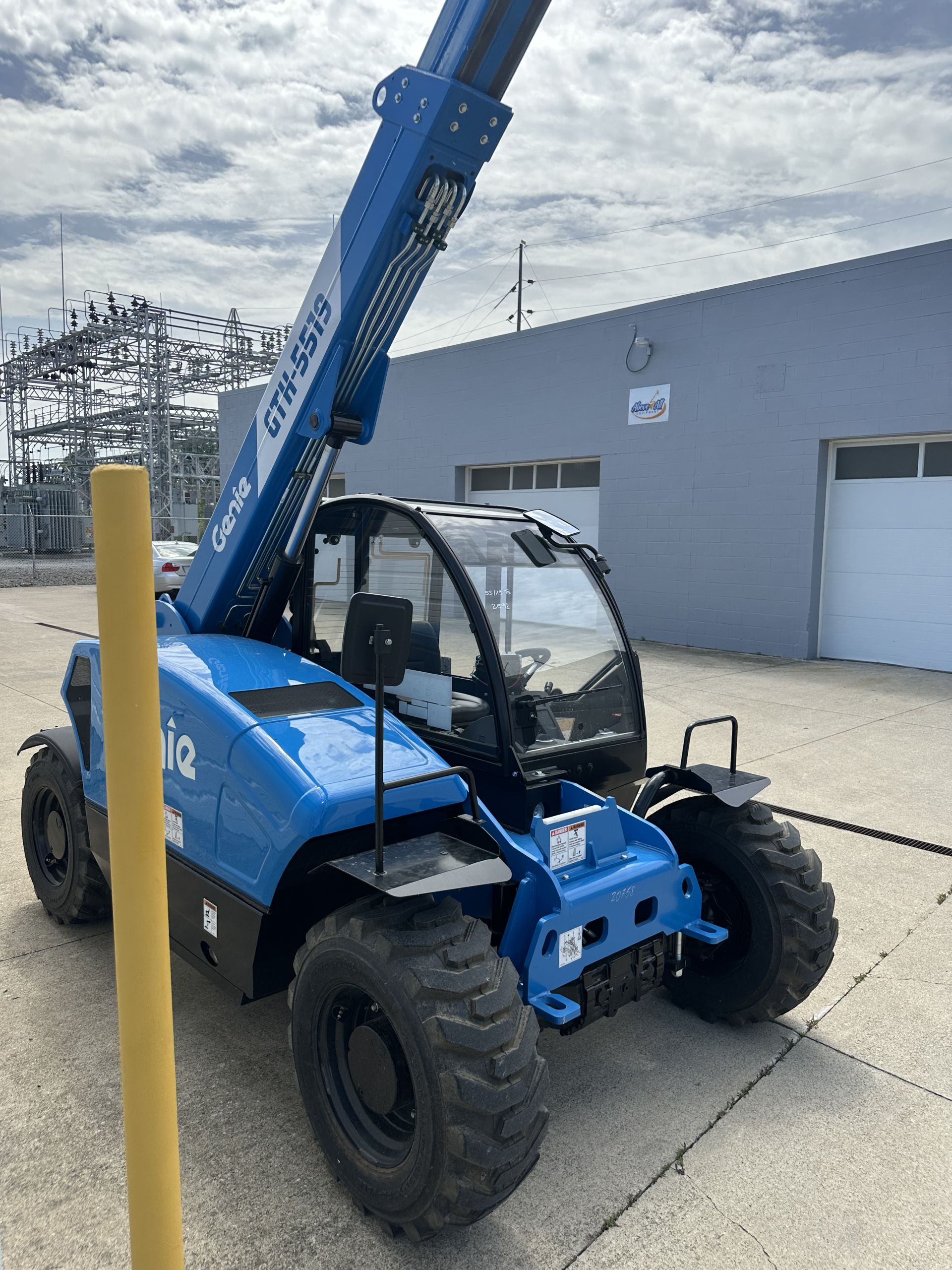
Original price was: $88,550.00.$76,550.00Current price is: $76,550.00.

Original price was: $198,550.00.$188,550.00Current price is: $188,550.00.
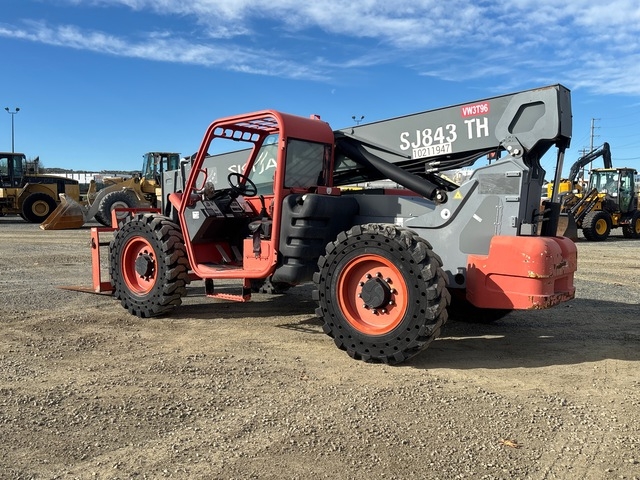
Original price was: $44,850.00.$38,850.00Current price is: $38,850.00.

Original price was: $38,850.00.$37,550.00Current price is: $37,550.00.
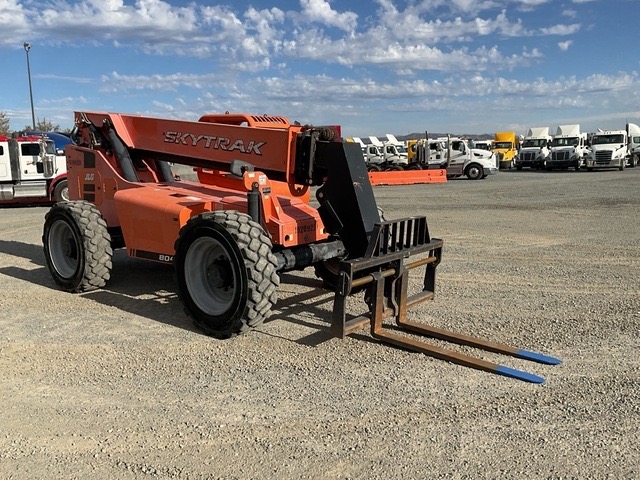
Original price was: $44,850.00.$41,550.00Current price is: $41,550.00.
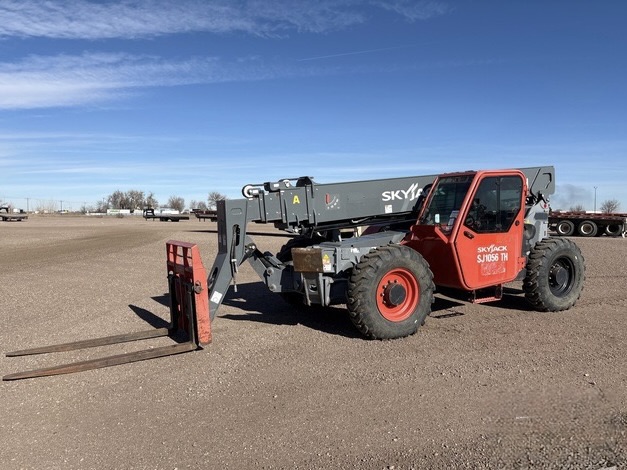
Original price was: $48,850.00.$44,850.00Current price is: $44,850.00.

Original price was: $128,550.00.$119,550.00Current price is: $119,550.00.

Original price was: $44,850.00.$38,850.00Current price is: $38,850.00.

Original price was: $63,550.00.$54,850.00Current price is: $54,850.00.
Versatile Material Handling
Also Known As: Zoom Booms • Gradalls • Material Handlers • Telescopic Handlers • Reach Forklifts
Versatile machines that combine the maneuverability of skid-steer loaders with extended reach capabilities. Perfect for agriculture, construction, and framing projects where you need to lift and place materials at height.
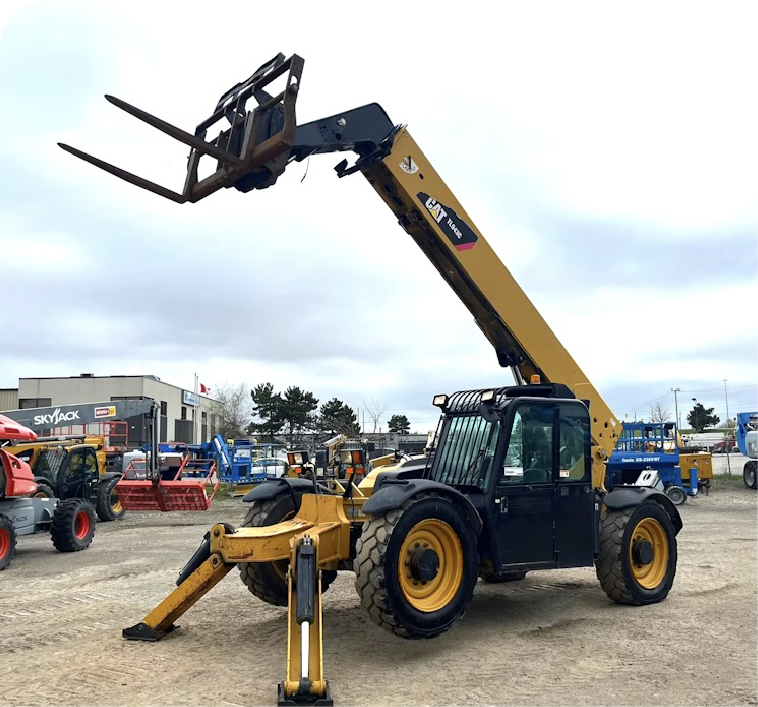
- Telescopic booms extending to 50+ feet
- Compatible with pallets, buckets, and various attachments
- All capacity options available
- Combines maneuverability with extended reach
We Carry:
- CAT telehandlers
- JCB models
- Genie equipment
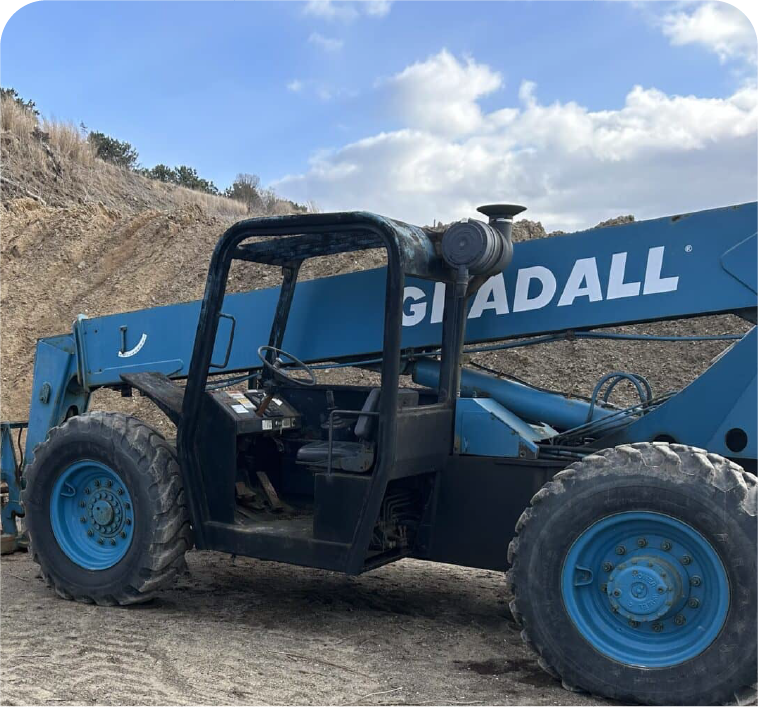
- Gradall machines
- Skytrak units
Best For:
- Agriculture operations
- Construction sites
- Framing projects
- Material handling
- Loading at height
Common Applications:
- Farm operations
- Building construction
- Pallet handling
- Equipment transport
- Material placement
Why Choose Above All Equipment?
Reliable Equipment, Honest Service
Every piece of equipment we sell is thoroughly inspected and reconditioned to ensure optimal performance. We deliver nationwide - even to Times Square - and provide curbside delivery when you don't have a loading dock or forklift.
80% of our customers pay cash - but we also offer financing through our trusted partners.
We've been helping contractors and businesses find the right equipment for years, from startup rental companies to major facilities.
Quick Answers to Your Questions
A telehandler (also called a reach forklift, zoom boom, or telescopic handler) is used to lift and place materials at height across construction sites, farms, and industrial facilities. They're commonly used for framing, steel erection, roofing, agriculture, material handling, and pallet placement. Their telescopic boom extends up to 50+ feet and can handle various attachments.
Consider both your maximum lift height and how far forward you need to reach. Our telehandlers feature telescopic booms extending up to 50+ feet. Measure your tallest load placement point and add clearance for safe operation. Remember: maximum lift capacity decreases as boom extension increases.
Think about your heaviest loads - pallets of materials, equipment, or supplies. We offer telehandlers of all capacities (8,000 lb, 10,000 lb, 12,000 lb+) to meet diverse project needs. Underestimating capacity is a common mistake. Always match your telehandler capacity to real-world lifting needs, and remember that lift capacity decreases as boom extension increases.
Telehandlers are incredibly versatile. They handle standard forks, buckets, truss booms, material handling carriages, and various specialized attachments. Always verify fork length, side-tilt capability, quick-attach compatibility, and attachment condition. Check compatibility with your specific model - we can help match equipment to your attachment needs.
For rough or uneven terrain, yes. A true rough terrain telehandler should have 4WD capability, stabilizers (on larger models), adequate ground clearance, and proper tire setup. Attempting to operate an undersized or improperly equipped telehandler on mud, gravel, or uneven terrain leads to getting stuck — and downtime is expensive.
- Choosing the Wrong Lift Capacity - Underestimating load weight is a major mistake. Remember that lift capacity decreases as boom extension increases, and maximum capacity is usually at minimal boom extension.
- Not Understanding Reach vs Lift Height - A telehandler might lift 42 feet vertically, but that doesn't mean it can safely place material 30 feet forward at full capacity. Consider maximum forward reach, load chart at extension, and stability limits.
- Ignoring Job Site Terrain - Not all job sites are equal. Ensure your telehandler has 4WD capability, stabilizers (on larger models), adequate ground clearance, and proper tire setup for your terrain.
- Buying Based on Price Alone - The cheapest used telehandler without verifying condition is risky. Critical inspection areas include boom wear pads, hydraulic system performance, frame integrity, axle and drivetrain condition, engine service history, and attachment compatibility.
- Not Verifying Attachments - Always confirm fork length, side-tilt capability, quick-attach compatibility, and attachment condition. The wrong setup limits functionality.
- Overlooking Transportation Logistics - Larger telehandlers may require special transport. Confirm machine weight, transport height, trailer requirements, and delivery access.
- Not Matching the Machine to Future Growth - Buy for tomorrow's growth, not just today's job. A properly selected construction telehandler should support future projects.
Yes. OSHA requires proper operator training for telehandler operation. All equipment goes out certified and should be recertified annually.
We deliver nationwide, even to challenging locations like Manhattan. If you don't have a loading dock or forklift, we arrange curbside delivery through our freight brokers. Note that larger telehandlers may require special transport considerations.
Get in Touch
Have questions? Looking for specific equipment? We're here to help.

